 PokéShiny Finds
How to organize and display your figure collection
Cubbies or a cabinet, the measurement almost everyone gets wrong, and why dust and sun do more damage than knocks.
Almost nobody decides how they'll display their collection: they find out the day it stops fitting. By then the decision has already been made by the furniture you bought when you had twenty figures. It's worth thinking about early, because the shelf is part of the collection too.
Cubbies or a cabinet: not the same thing
Two different philosophies, each suited to a different kind of figure.
- Cubby shelf (a grid of niches). Every figure gets its slot, you group them by generation or line, and the whole wall becomes a visual map of the Pokédex. This is what works best for small, numerous figures: MonColle, Bandai Kids, Zukan.
- Traditional cabinet (continuous shelves, with a door). It adapts to different heights and keeps dust out with no effort. It's the right call for large pieces, articulated figures, dioramas or fixed scales like Scale World, which look cramped in a cube.
Plenty of collectors end up with both: cubbies for the vintage bulk, a cabinet for whatever doesn't fit in a cube.
The sizing trap that catches almost everyone
If you're having cubbies made, size them against the TALLEST figure you plan to buy, not the one in your hand.
Classic 90s MonColle run around 5 cm and sit comfortably in a 6 × 6 cm niche. The problem is that modern lines grew: several current pieces exceed 6 cm and either don't fit or fit scraping the top. If you intend to collect new figures, order the cubbies at 7 × 7 cm minimum. The cost difference is marginal; rebuilding the unit is not.
Also measure the figure's real depth, not the blister's: a Tomy in an attack pose can need twice the clearance of the same species standing still.
Dust and light do more damage than knocks
- Dust. Enemy number one of an open collection, especially on matte-textured figures. A sliding acrylic lid over the cubbies solves dust and stops a piece from toppling when someone walks past.
- Direct light. Sun bleaches PVC and goes for the reds and yellows first — exactly half the Pokédex. A figure by a window loses tone in months, and it doesn't come back.
- Heat. PVC warps. On top of a radiator, over anything that runs warm, or inside a car in summer, a figure bends and never returns to shape.
If you light the cabinet, use LED: it barely heats and emits no UV.
How to group them
There's no correct way, but three hold up over time:
- By Pokédex number. The most readable for anyone looking from outside, and the one that makes gaps obvious: they show themselves.
- By line or brand. The one that respects the aesthetics: each line has its own finish and scale, and mixed together they look messy even when complete.
- By story. The ones tied to a specific moment — your first figures, a trip, a gift. It's the grouping a stranger cares least about and you care most about.
Leave room from day one
A collection that just fits today is full tomorrow. When planning the unit, budget margin: it's what separates "I'm adding a figure" from "I'm reorganising everything again".
And if you have sealed pieces you don't intend to open, store them flat or upright in a rigid box, out of the sun. The blister yellows and bows long before the figure it protects does.
Before building, have three numbers ready
- How many pieces you'll actually display (not how many you own).
- The height and depth of the largest among them.
- How much you expect to grow in a year.
With those, the unit designs itself. Without them, it gets designed twice.
How others solve it
All four are from the CABINET / open-shelf side. For the cubby side we don't yet have a real photo we're allowed to publish — if you have your cubby wall built, send it over and it goes here with your credit.
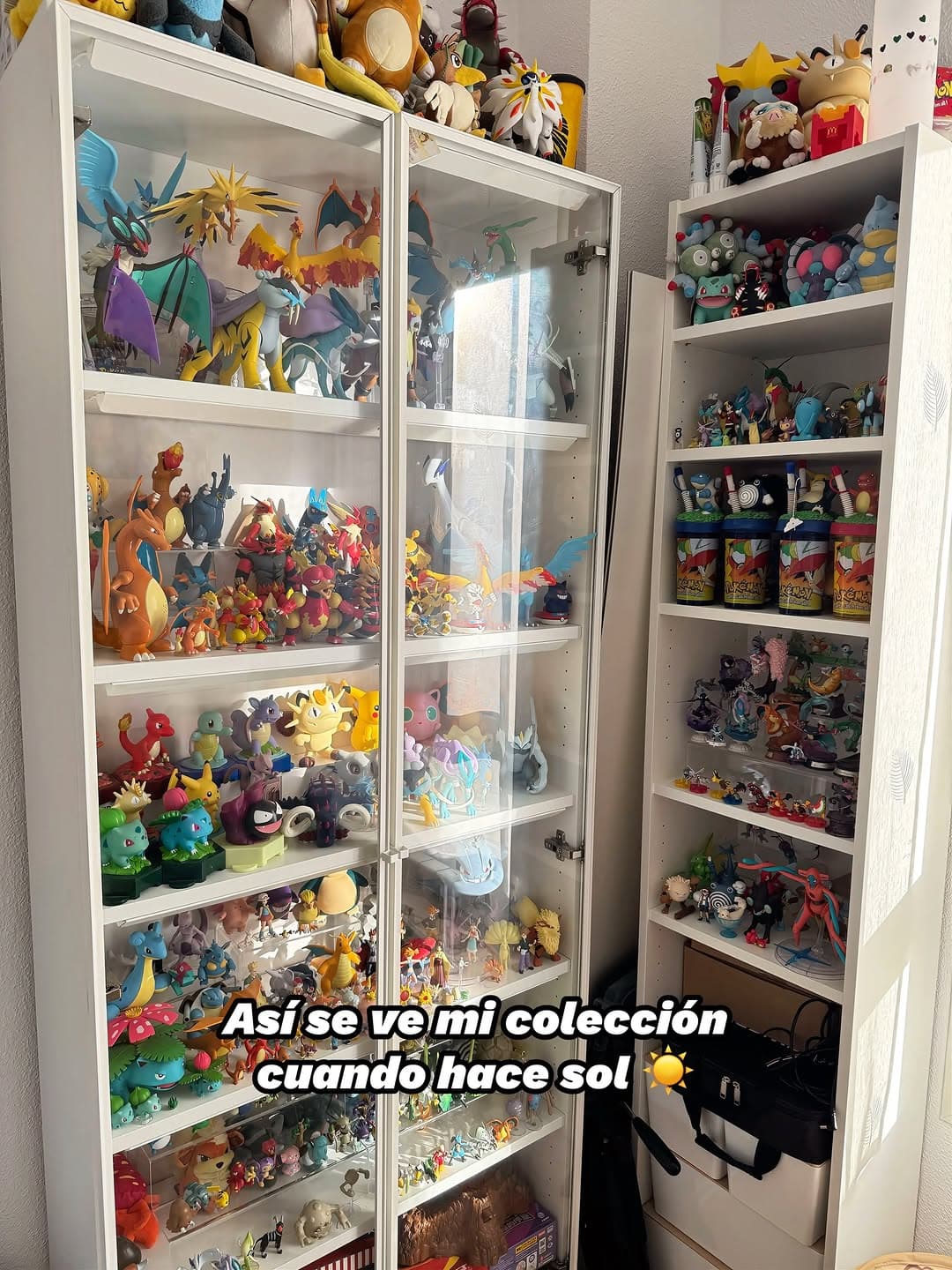
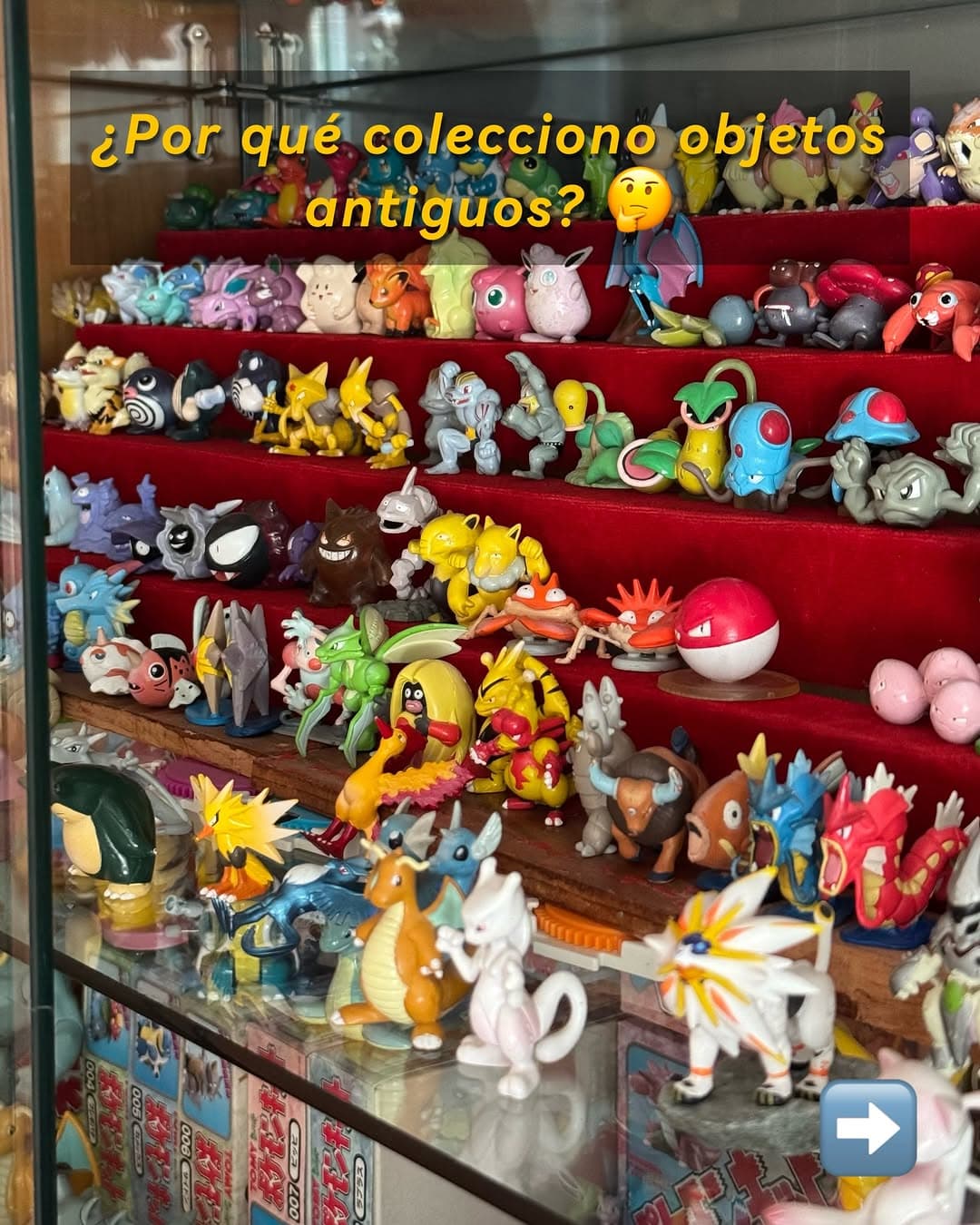
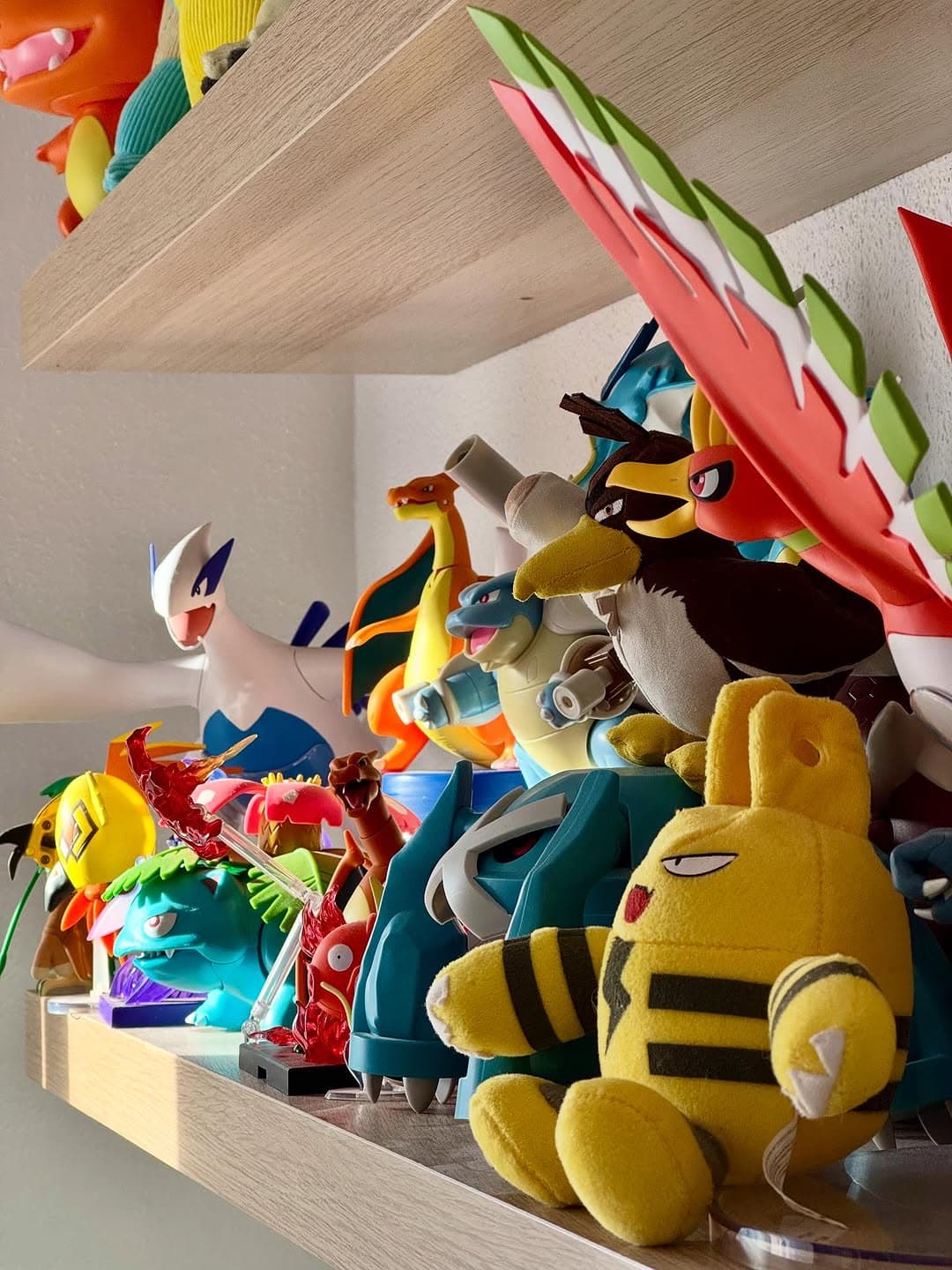
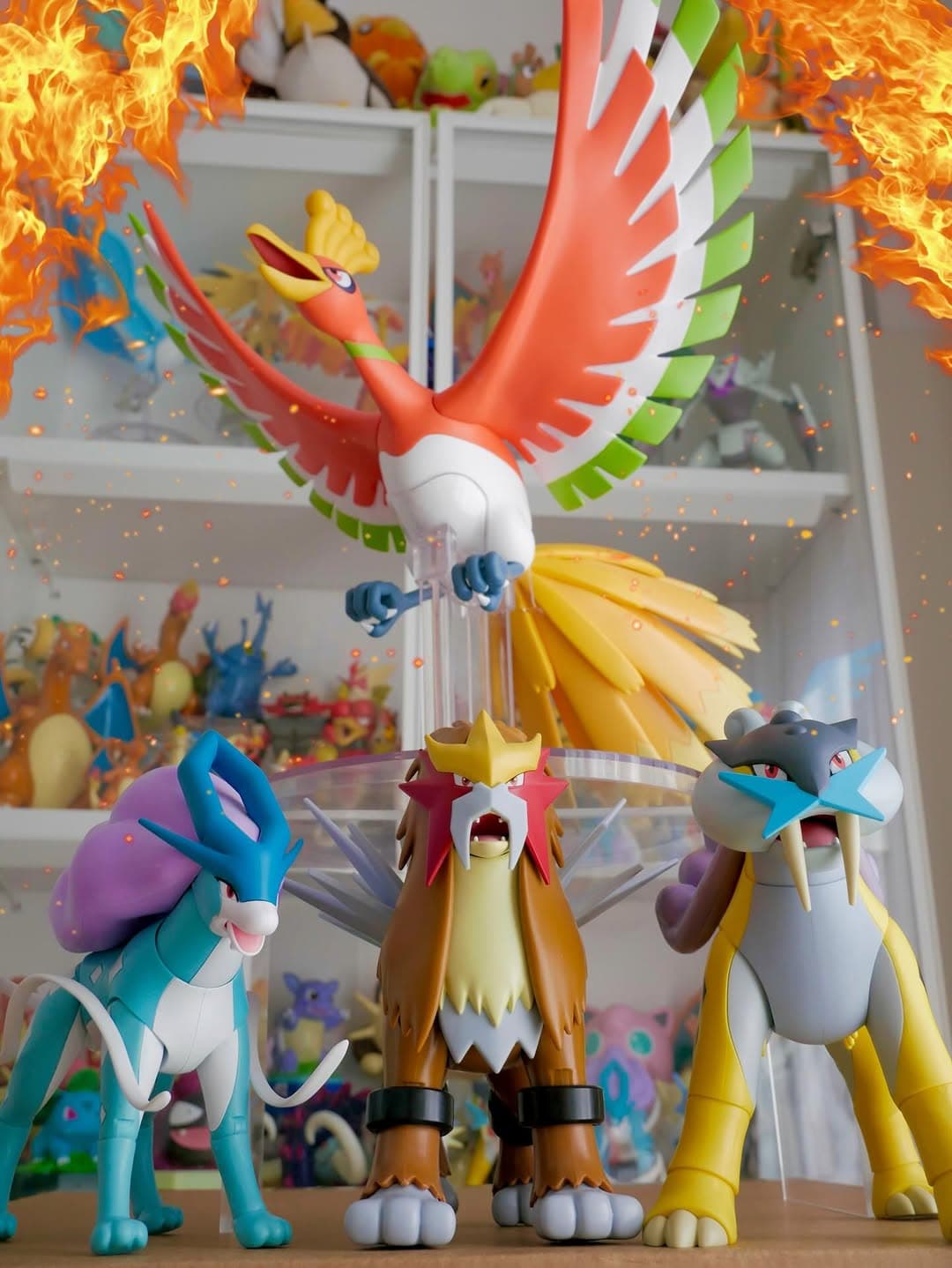
Photos published with their authors' permission, credited and linked to the original post.