 PokéShiny Finds
History of Pokémon figures: from Tomy 1997 to today
How a gashapon toy became a serious collectible.
Pokémon figures were born almost alongside the franchise itself. Understanding their history helps you date and value any piece you have in hand.
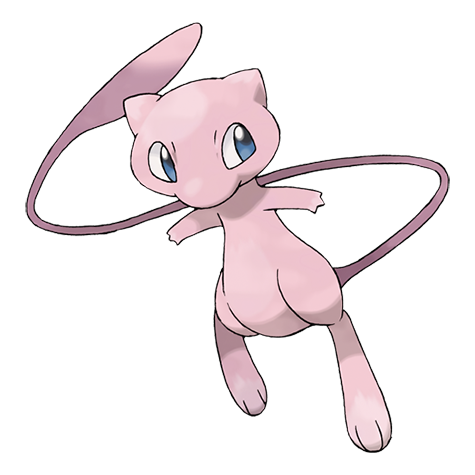
1997: Tomy opens the door
Tomy launches Monster Collection (MonColle) in Japan: small figures, consistent scale, sold in blister packs and in gashapon machines. They set the standard everyone else would go on to copy.
The regional split
As the franchise explodes outside Japan, licensed branches appear per market:
- Hasbro — United States.
- Auldey — other markets. Its differences from Tomy.
- Funskool — India.
All official, each with its own finishes and numbering. That's where much of the modern "is this original?" confusion comes from.
The competition and the detail
Bandai enters strong on two fronts:
- Pokémon Kids — hundreds of series, huge coverage, chibi style.
- Zukan — high scale and detail, complete evolutionary lines.
Over time Kaiyodo, Jakks, Jazwares and more join in, each with its own niche of quality and style.
Today: from toy to collectible
What started as a machine prize is today a serious market: grails of limited existence, reference prices, and a whole discipline of authentication against bootlegs. But the core has remained the same since 1997 — the pocket-scale Pokémon figure.
Why history matters to you
Knowing which brand dominated each era helps you date a piece, understand why it exists in several versions, and spot when something doesn't match its supposed origin.
Browse the complete timeline and manufacturers at /historia and /historia-fabricantes.