PokéShiny Finds
👑 Grails
A grail needs two things at once: very few exist and people chase them. A piece everyone wants but can get is popular; an ultra-rare one nobody looks for is a curiosity. Each entry says what we know on both axes and where it comes from.
How to read these numbers (and why some famous pieces aren't here)
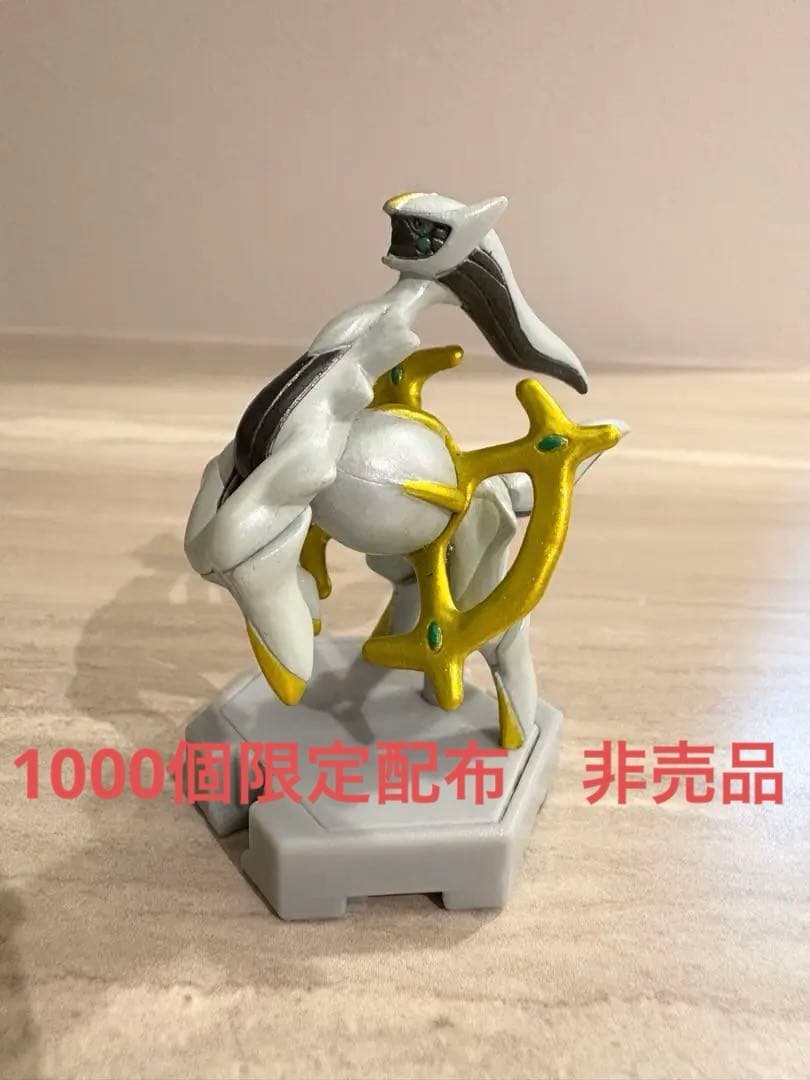
Almost no Japanese prize campaign ever published how many pieces were made. What was published is how many PEOPLE won, which is not the same: in some campaigns the winner received a multi-item set, and in others the same person got several figures. When a label says “1,000 winners”, that is what is documented — not a print run.
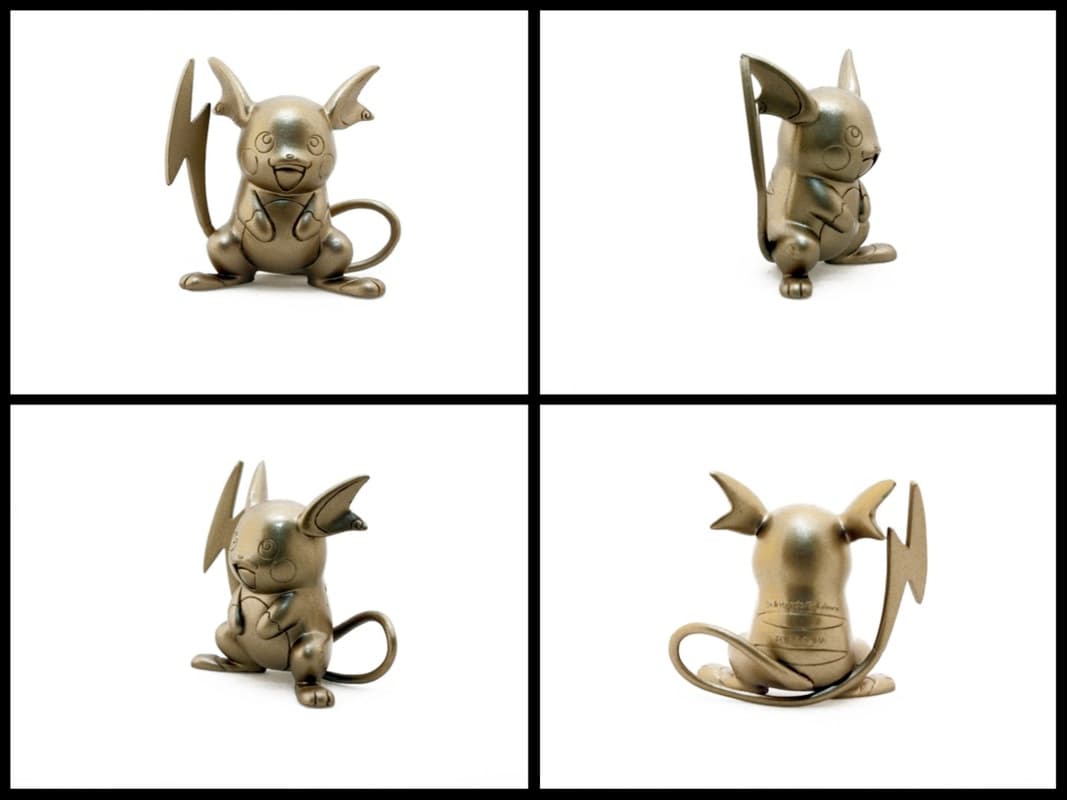
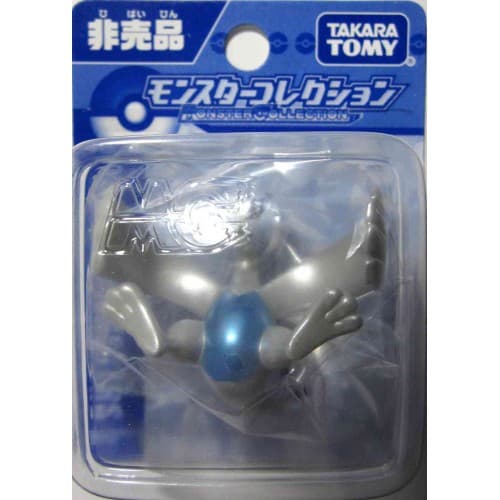
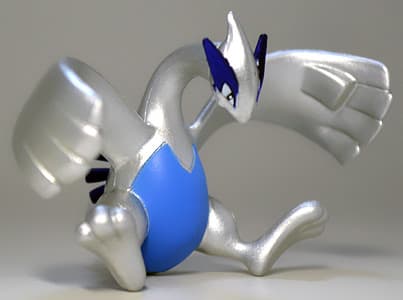
For scale: this same line had a metallic Lugia handed over on the spot for spending ¥2,500. A thousand winners is the middle of the normal range, not an extreme. That's why every entry spells out in its notes what is known and what isn't — and some say plainly why their grail status is in doubt.
Grails21
It takes both: very few exist (documented run of 1,000 or fewer, no over-distribution or reissue) and people chase them (closed sales of $150+, a contested auction with 20+ bids, or two different collectors calling it a grail). No sales are needed at 100 or fewer, or for a lottery you couldn't buy with up to 5,000 winners: there, not being sold is the scarcity.
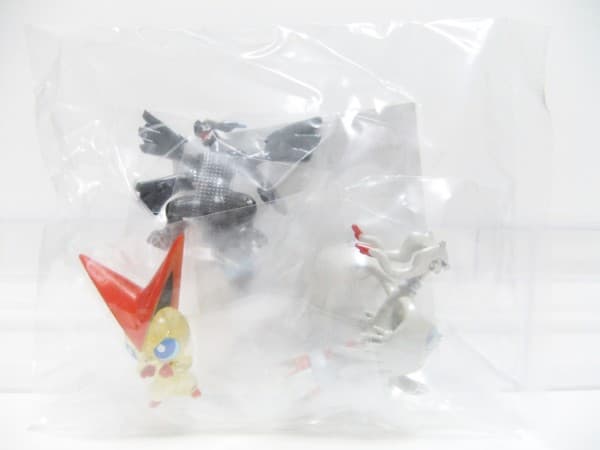
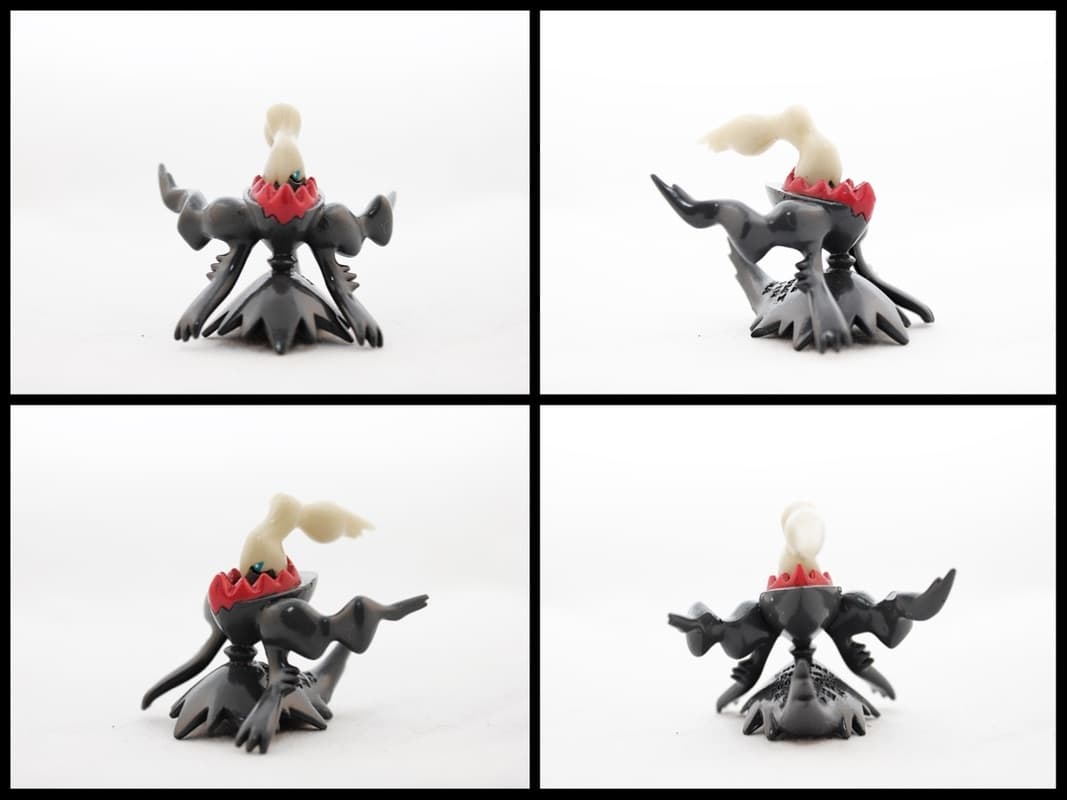
Popular2
Everyone wants it, but you can get it: it shows up for sale often, was over-distributed or reached stores. Popular isn't the same as grail.
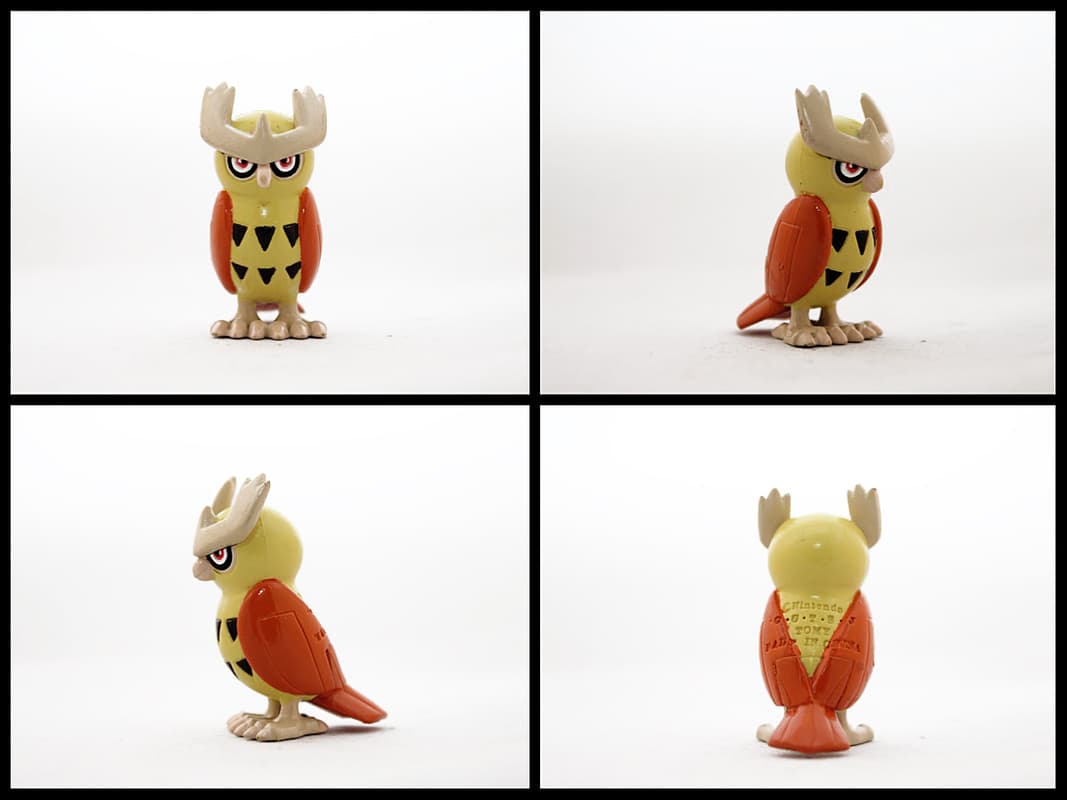
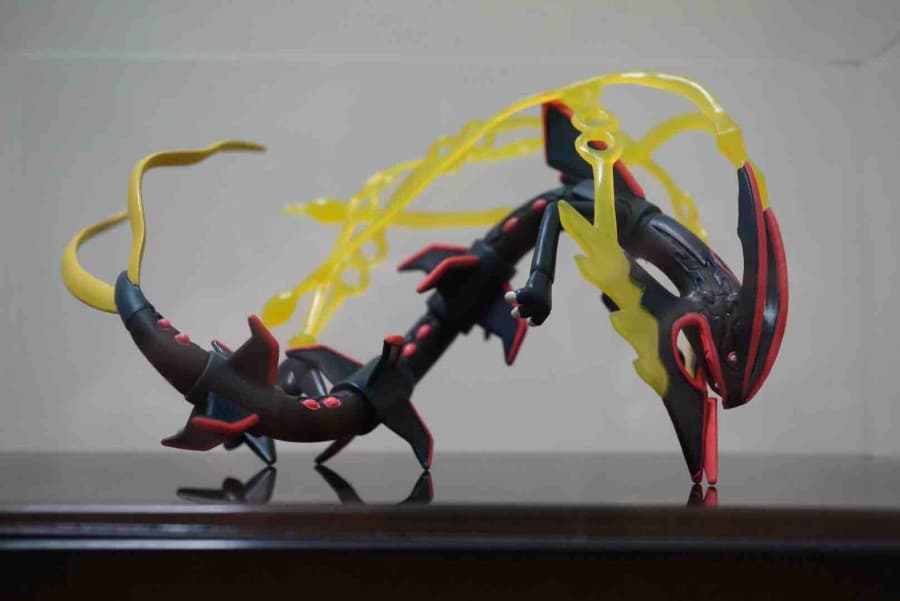
Curiosities1
Extremely rare, but nobody chases them — or they never existed as a piece you could own.
Supply unknown4
We don't know how many exist: no figure, or two sources disagree. Even if they sell high, without that they aren't declared grails.
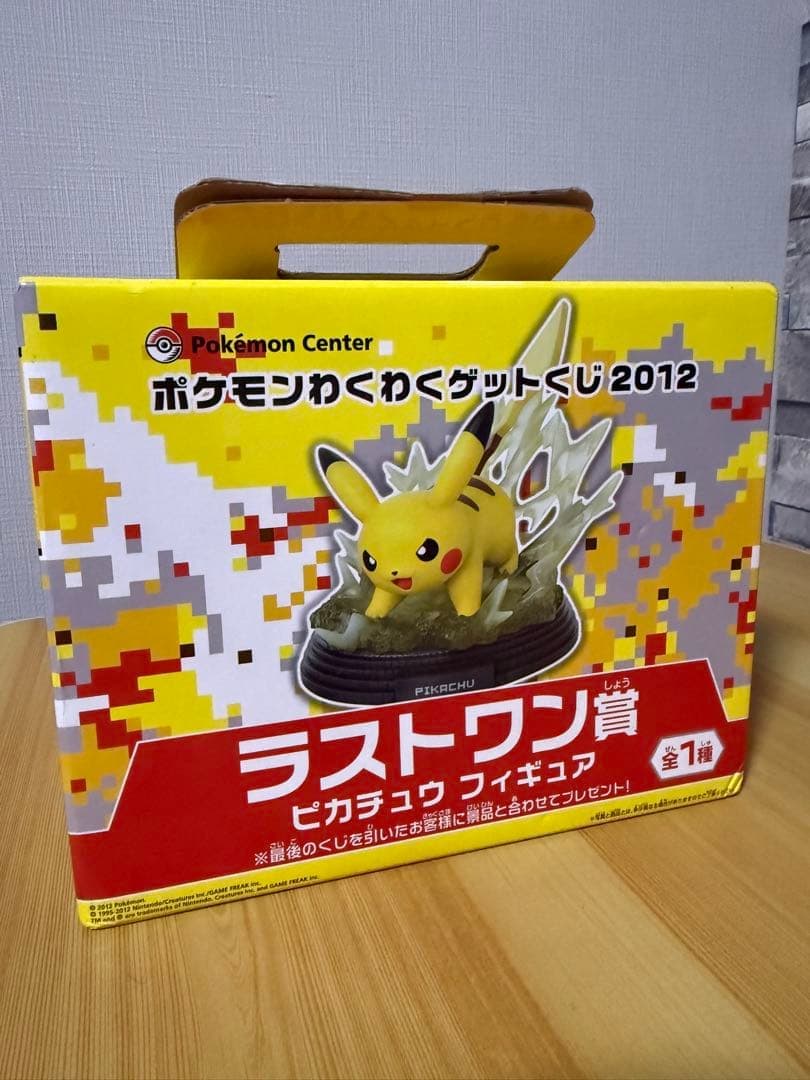

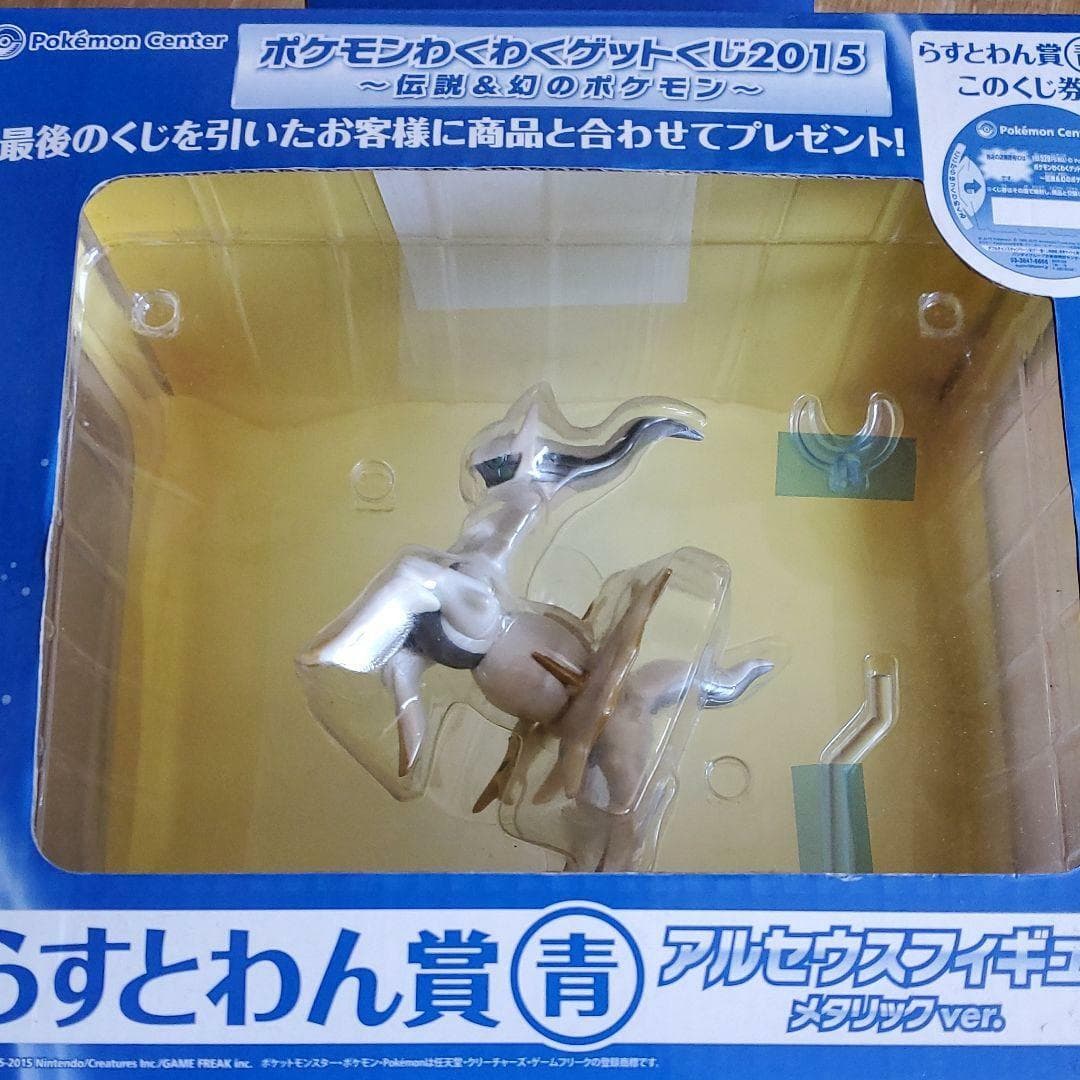
Not grails: supply exists20
These used to be on this page. They were sold with a magazine or in stores, given to anyone who bought, or their run exceeds 1,000 — and there's no sign they're chased.

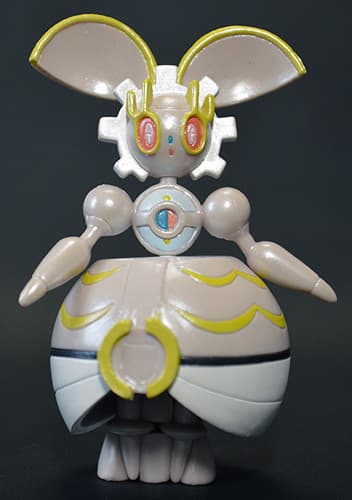



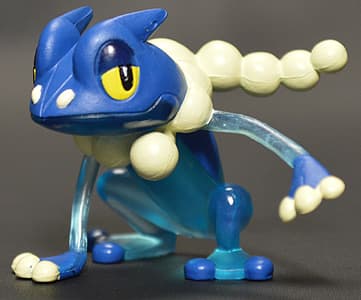
Unconfirmed / rumors
Pieces the collector community reports as real, but WITHOUT independent authentication — almost always prototypes or leaks with no reference specimen to compare against. Documented here, kept apart from confirmed grails, with the source cited on each page.